BOOK LAUNCH
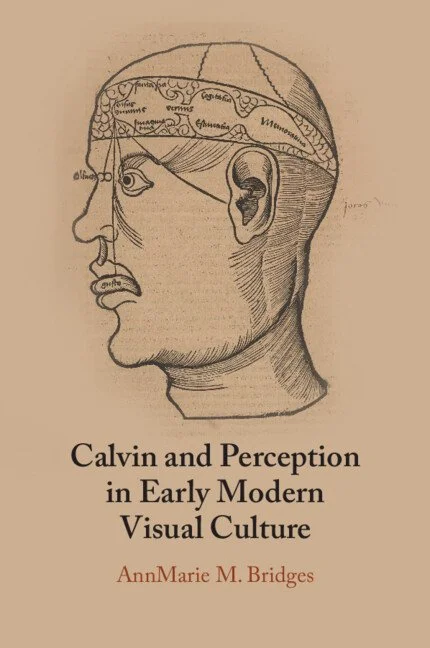
CALVIN & PERCEPTION
Do we see the world as it is—and would we know if we didn’t?
John Calvin’s 1559 Institutes opens with this question.
Cambridge University Press, 2026 | 229 x 152 mm | 350pp
Hardback 978-1-00-956204-1 | Paperback 978-1-00-956206-5
Endorsements
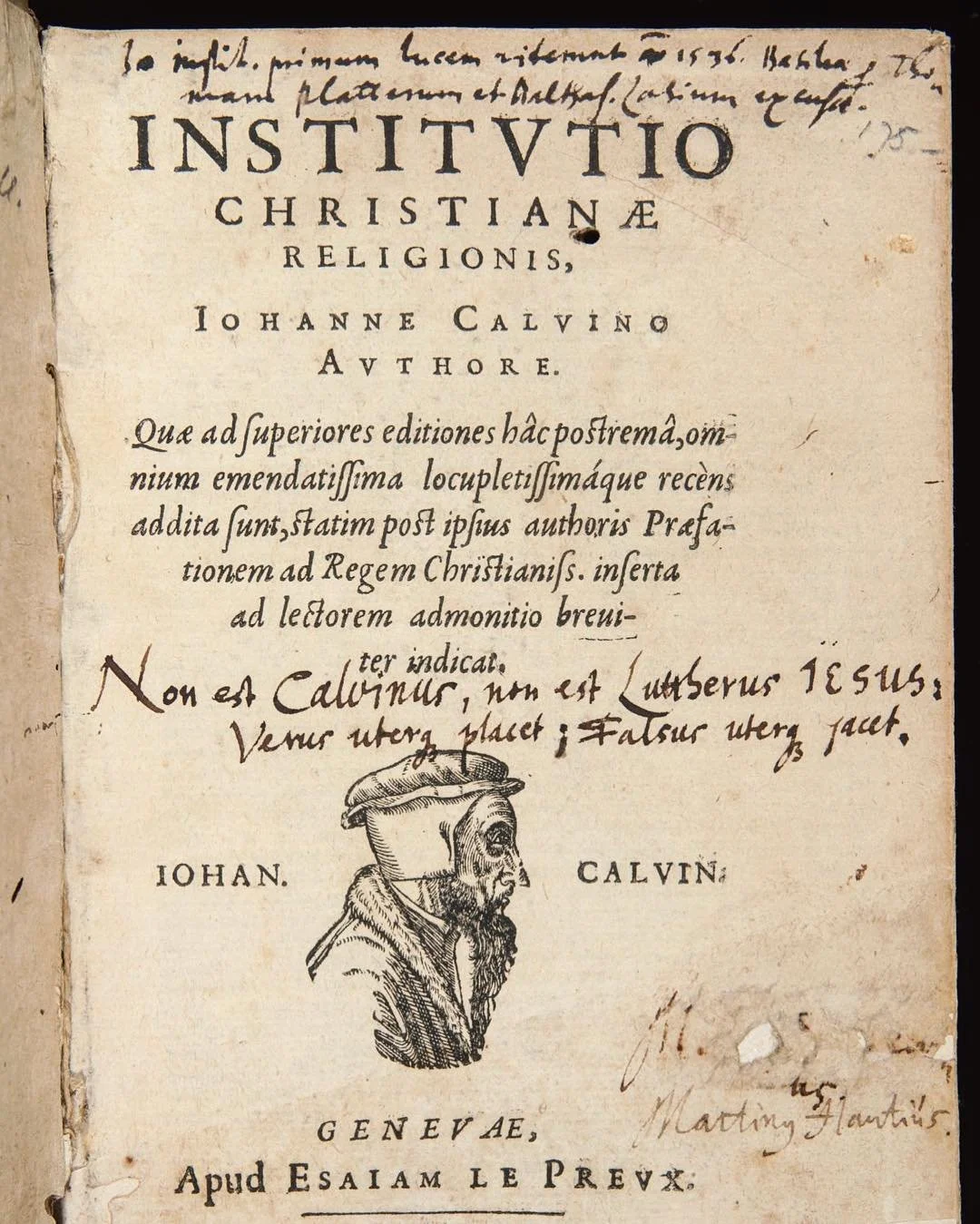
“In this deeply learned but readily accessible historical inquiry, the author interprets Calvin’s Institutes in the context of the understanding of the nature of perception current in Calvin’s day—an understanding very different from ours today. What emerges, for those of us like myself who knew nothing of sixteenth-century visual culture, is a Calvin we knew not. It turns out that Calvin’s aim in the Institutes was not to produce correct belief in his readers but to open their eyes and ears to a world ‘charged with the grandeur of God’ (G. M. Hopkins)—not to teach correct doctrine but to cultivate awareness of God’s benevolent manifestations in creation and history. Fascinating! Eye-opening!”
— Nicholas WolterstorffYale University, Noah Porter Professor Emeritus of Philosophical Theology
— Constance FureyIndiana University, Professor of Religious Studies
“This is an almost compulsively readable book for anyone interested in Calvin or the Institutes. The originality of Calvin and Perception lies in the nuanced argument it makes about the connection between perception and imagination. This study does not give us a sensory Calvin to replace the anti-material reformer some traditional interpreters might have prepared us to meet. It instead gives us a Calvin who cannot be categorized according to this binary.”
—
R. Ward Holder
Saint Anselm College, Professor of Theology and Politics
“The study radically reorients readers to the meaning of Calvin’s Institutes, shifting from issues of the knowledge of God to perception. Bridges is making the kind of argument that forces a conceptual re-envisioning of the manner in which Calvin’s thought works. This is rare. Everyone seeks to accomplish this feat, but Bridges seems to have done it. The scholarship is excellent, and brings a whole new set of issues to the interpretation of Calvin’s work.”
Abstract
Calvin and Perception in Early Modern Visual Culture begins with one of John Calvin's most striking images: an optical illusion in which the eye mistakes black for white until God's brilliance acts as a “straightedge,” recalibrating vision. The image frames a question as urgent now as it was in the sixteenth century: do we see the world as it is—and would we know if we didn't?
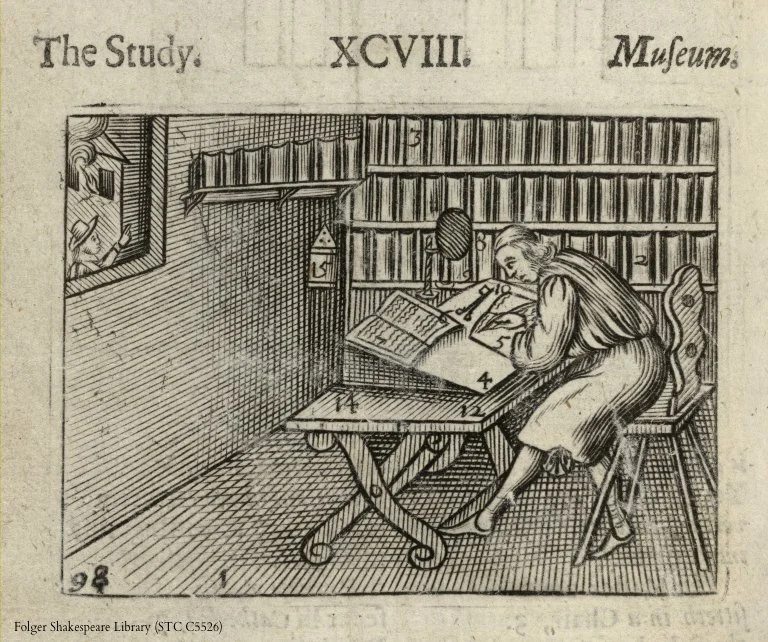
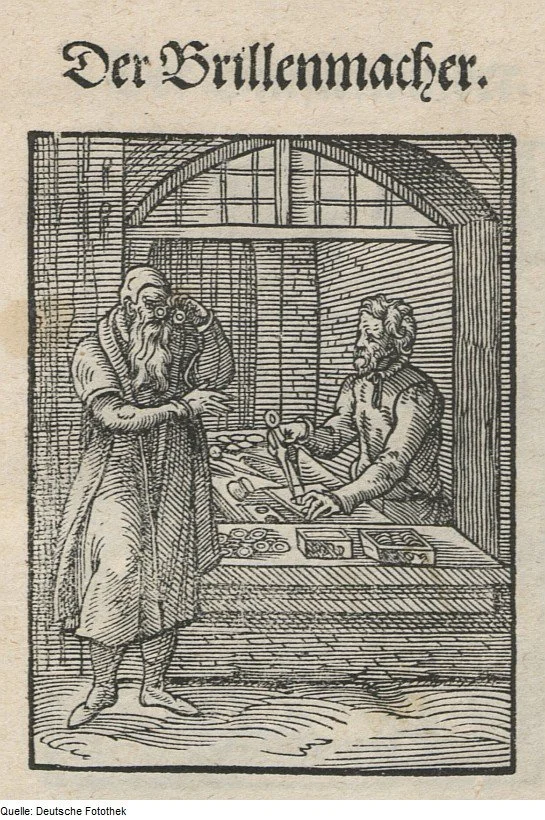
The first monograph to return Calvin's Institutes of the Christian Religion (1559) to its original visual culture, Calvin and Perception draws on early modern optics, art theory, rhetoric, psychology, and religion to reconstruct the perceptual world of Calvin and his earliest readers. Recovering the context behind the Institutes' most memorable images—from the theater of creation to the spectacles of Scripture and the mind as a factory of idols—it argues that the text's central concern is not simply what readers believe, but how the imagination mediates perception before conscious thought.
Replacing the Institutes' traditional emphasis on knowledge with a new "perception versus delusion" framework grounded in sixteenth-century theories of imagination and pre-conscious perception, Calvin and Perception offers a new account of Calvin's practical theology while inviting reflection on our own moment of perceptual instability, where the challenge is not only to know what is true, but to perceive what is real.
Table of Contents. Introduction: seeing perception in the Institutes | 1. How to see in early modern Europe | 2. True spectatorship: accommodation, piety, and the Institutes' perceptual ideal | 3. Blind idolatry: imagination and the perceptual effects of sin | 4. Corrective lenses: faith, doctrine, and perceiving God after the fall | 5. Reforming perception: The Institutes' Latin rhetoric as straightedge prose | Conclusion: against delusion, for perception | Select bibliography.
Contributions
Returns Calvin to his visual world
Connects developments in early modern optics, art theory, rhetoric, psychology, and religion to reconstruct the visual and perceptual culture inhabited by Calvin and his earliest readers, offering a hitherto unrecognized context for interpreting Calvin’s writing.
Reframes the Institutes’ central project
Replaces scholarship’s enduring but embattled emphasis on “knowledge” with an alternative paradigm, a “perception versus delusion” framework grounded in sixteenth-century theories of imagination and pre-conscious perception.
Offers a new account of Calvin’s practical theology
Shows how the Institutes seeks to reform not only or primarily belief, but readers’ embodied habits of perception through practices of reading and visual discipline – answering a perennial question about how Calvin’s doctrines conduce to piety.
Connects early modern visual culture to our moment
Illuminates an unwritten chapter in Europe’s history of the senses while inviting reflection on today’s visual culture, a world increasingly shaped by algorithmically curated media, personalized realities, unconscious bias, and other unseen forces that organize perception before conscious judgment can even occur.